From $499*
After Medisave deduction
97%+
Implant success rate*
$1,950
Max Medisave claim per implant
✅ Who is a good candidate for dental implants?
Most adults who are missing one or more teeth are potential candidates for dental implants. Ideal candidates have adequate jawbone density, healthy gums without active periodontal disease, and no uncontrolled medical conditions that could impair healing.
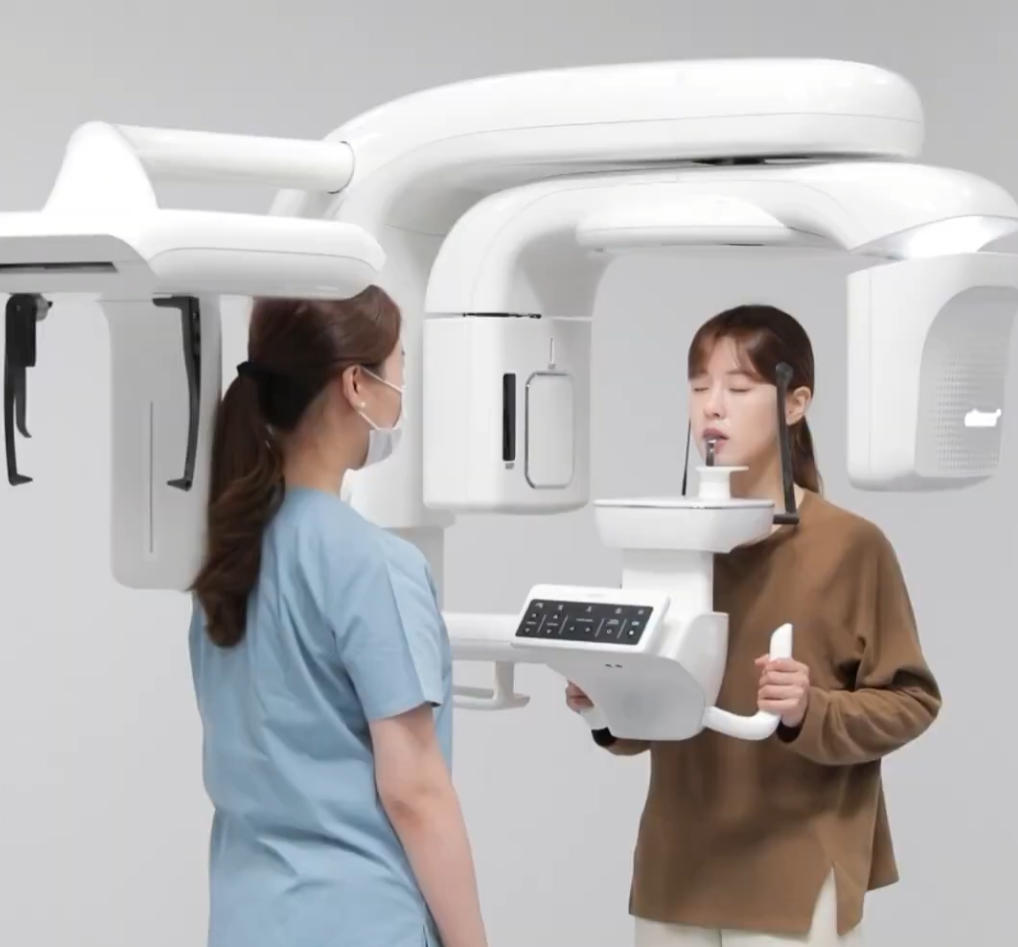
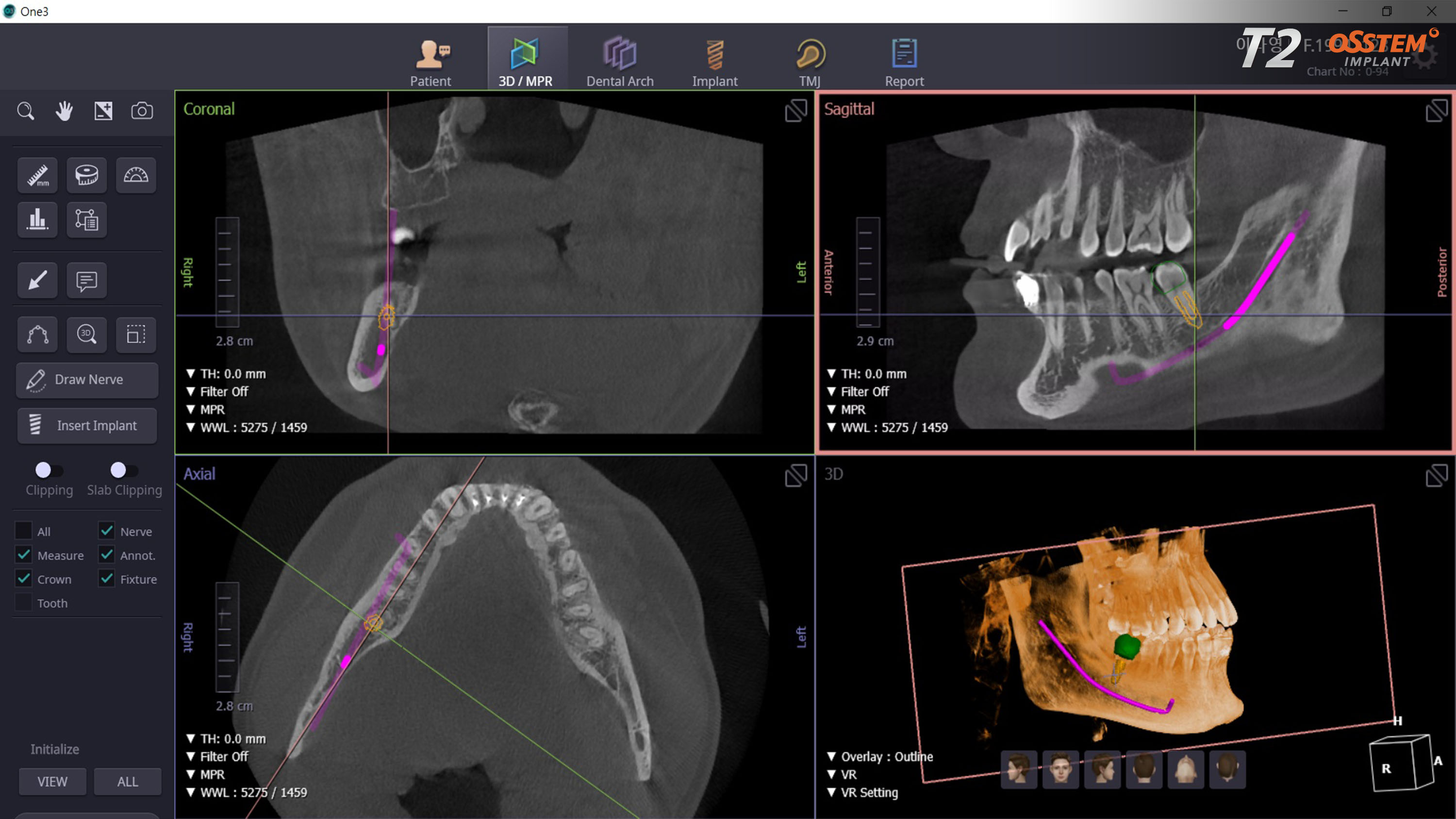
Conditions such as diabetes, heart disease, or osteoporosis do not automatically disqualify you — they simply require careful assessment. During your consultation, your dentist takes a CBCT 3D scan to evaluate bone volume, nerve proximity, and sinus position, giving a clear picture of whether implants are suitable for you.
💰 Understanding implant costs in Singapore
Dental implant pricing in Singapore varies widely depending on the implant system, the complexity of the case, and what is included in the package. At Trust Dental Surgery, all implant packages are all-inclusive — covering the CBCT scan, implant placement, post-surgery medications, and crown.
- Implant system: Osstem (Korean) is more affordable than Straumann (Swiss premium), though both are clinically proven.
- Crown type: PFM crowns are included as standard. Zirconia upgrades are available at additional cost.
- Additional procedures: Bone grafts or sinus lifts, if needed, are quoted separately after your CBCT scan.
- Medisave: Up to $1,950 per implant can be deducted from your CPF Medisave account, significantly reducing out-of-pocket cost.
💡 At Trust Dental, Osstem implants start from $2,449 total ($499 after Medisave) and Straumann implants from $3,449 total ($1,499 after Medisave). No hidden fees.
🦷 Osstem vs Straumann: choosing the right system
Both Osstem and Straumann are reputable, widely used implant systems with strong clinical track records. The choice between them depends on your priorities and budget.
Osstem is headquartered in South Korea and is one of the world’s most widely placed implant brands, used in over 70 countries. It offers reliable quality at a more accessible price point — making it a popular choice across Asia.
Straumann is a Swiss-made system with over 60 years of clinical research. Its SLActive surface technology is designed to promote faster and more reliable bone integration. Straumann is often considered the gold standard in implant dentistry worldwide.
Your dentist will discuss both options during the consultation and recommend the system that best suits your bone quality, location in the mouth, and personal preferences.
💉 What does the dental implant procedure involve?
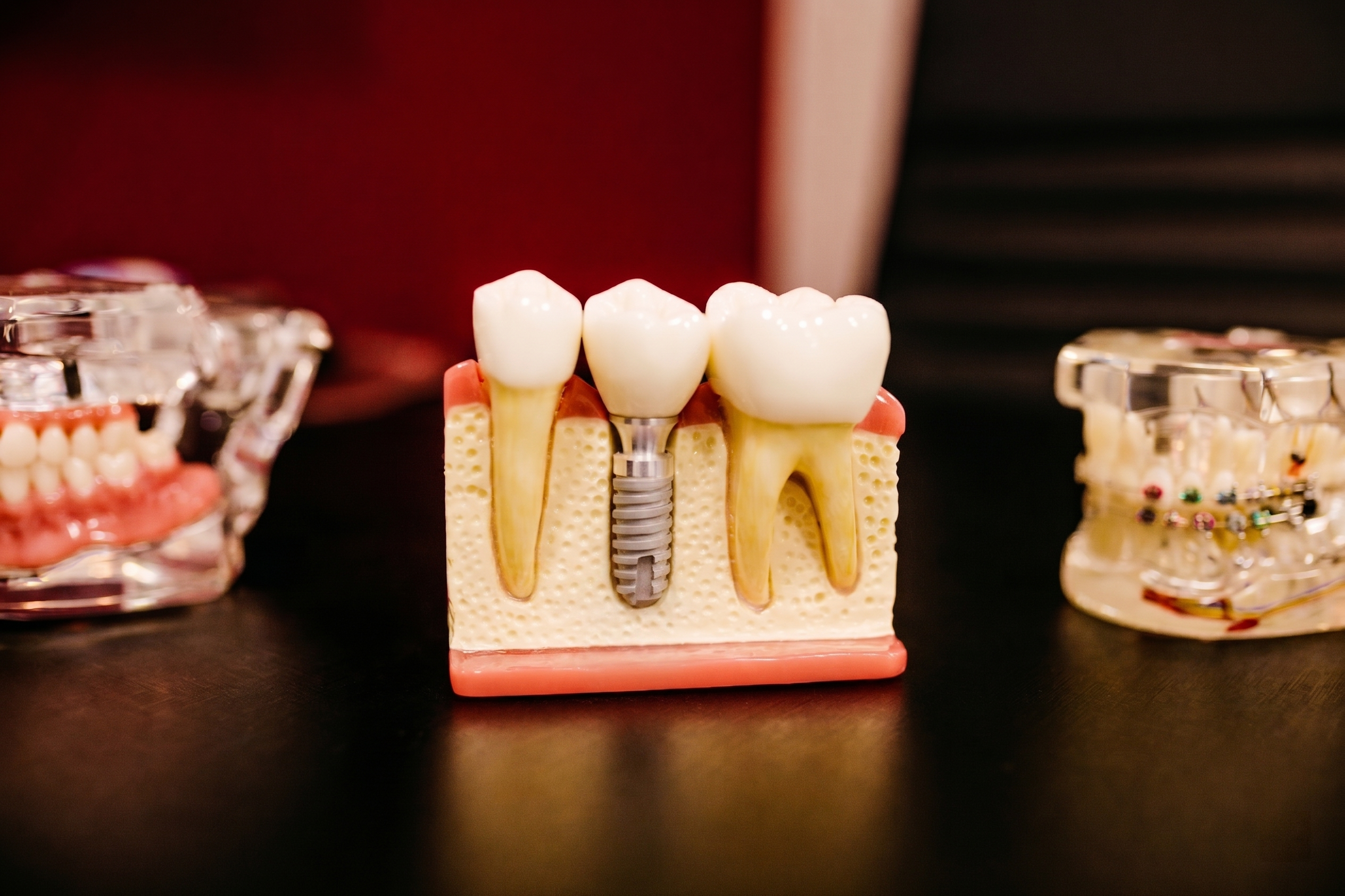
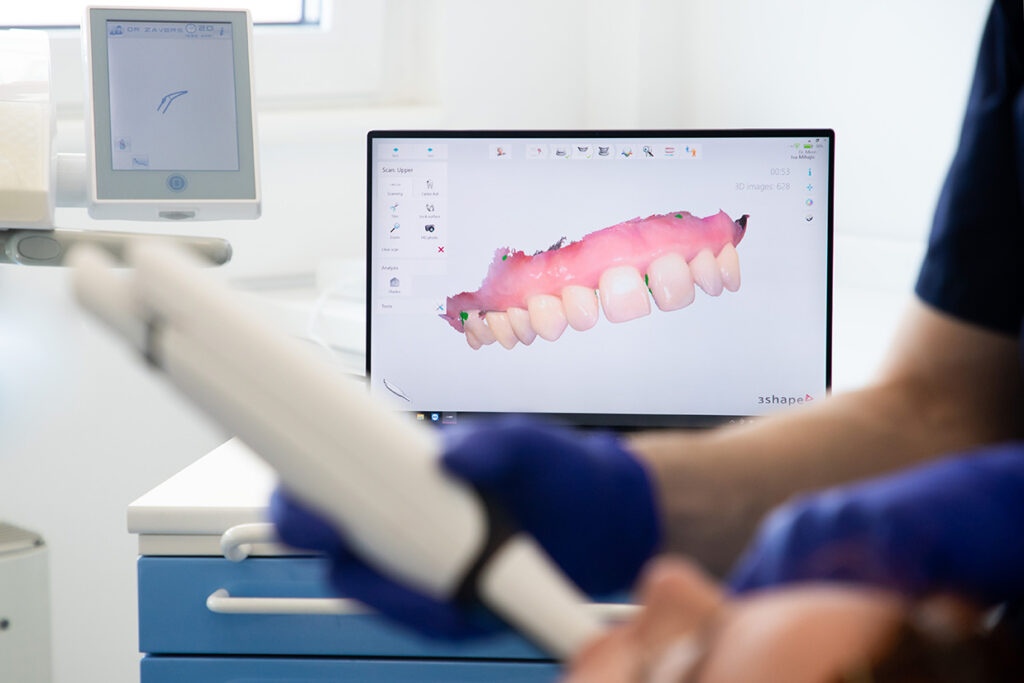
The implant process consists of four stages: a consultation with CBCT scan, implant placement surgery under local anaesthesia, a three-to-six-month healing period for osseointegration, and a final crown fitting using a 3D intraoral scanner. The total treatment timeline is typically three to six months.
During surgery, a titanium implant post is placed directly into the jawbone. Most patients describe the procedure as more comfortable than expected. Recovery is generally quick — the majority of patients resume normal activities within one to two days.
💡 We use a 3D intraoral scanner for all crown work — no messy moulds, no discomfort. The digital scan is faster, more accurate, and much more comfortable than traditional methods.
📈 Success rates and what to expect
Dental implants are among the most well-researched and predictable procedures in modern dentistry, with published success rates consistently above 95%. Factors that contribute to a positive outcome include good oral hygiene, overall health, sufficient bone quality, and following post-operative instructions carefully.
Complications such as infection or implant loosening are rare and are usually caught early through structured follow-up appointments. Your dentist will assess your individual risk profile and discuss realistic expectations during the consultation.
🕒 How long do dental implants last?
The titanium implant post is designed to be a permanent fixture in your jawbone. With proper care, the implant itself can last 20 years or more — many patients keep theirs for a lifetime. The crown attached to the implant may need replacement after 10 to 15 years due to normal wear and tear.
Longevity is influenced by oral hygiene habits, regular dental check-ups, overall health, and avoiding habits that stress the implant such as teeth grinding. Night guards can be provided if bruxism is a concern.
💚 How to care for your implant after surgery
First week: Stick to soft foods, rinse gently with warm salt water, and avoid brushing the surgical site. Take all prescribed medications as directed. Avoid smoking, drinking through straws, and strenuous physical activity.
After suture removal (two weeks): Gradually reintroduce firmer foods. Continue to be gentle around the implant area during the three-to-six-month osseointegration period.
After crown fitting: Treat your implant like a natural tooth — brush twice daily, floss carefully around the implant, and attend six-monthly dental check-ups. Your dentist will monitor the implant, gum health, and bite alignment at each visit.
⚖️ Dental implant vs bridge vs denture
Dental implants are the closest replacement to a natural tooth. They are fixed in the jawbone, preserve bone density, and do not require modification of adjacent teeth. They can last decades and function just like your original tooth.
Dental bridges span a gap using the teeth on either side as anchors. They are a good option when neighbouring teeth already have crowns or large fillings, but they require healthy teeth to be trimmed and do not prevent bone loss at the missing tooth site.
Dentures are the most affordable option and do not require surgery. However, they can slip, require adhesive, and may accelerate jawbone loss over time. Implant-supported dentures offer a more secure alternative.
*Success rate data based on published Straumann clinical studies, including a retrospective cohort study of 4,591 Straumann implants with up to 10-year follow-up (cumulative survival rates of 98–99% at implant level) and a 10-year observational study of 1,692 Straumann tissue-level implants (98.23% implant-level survival). Individual results may vary.